Hardscaping vs. Xeriscaping: Which Is Right for Your Texas Yard?
Two popular approaches to low-maintenance landscaping in the Texas heat. We break down the pros, cons, and costs of each to help you decide.
Understanding Your Options
Both hardscaping and xeriscaping reduce water usage and maintenance, but they create very different outdoor experiences.
Hardscaping: Built to Last
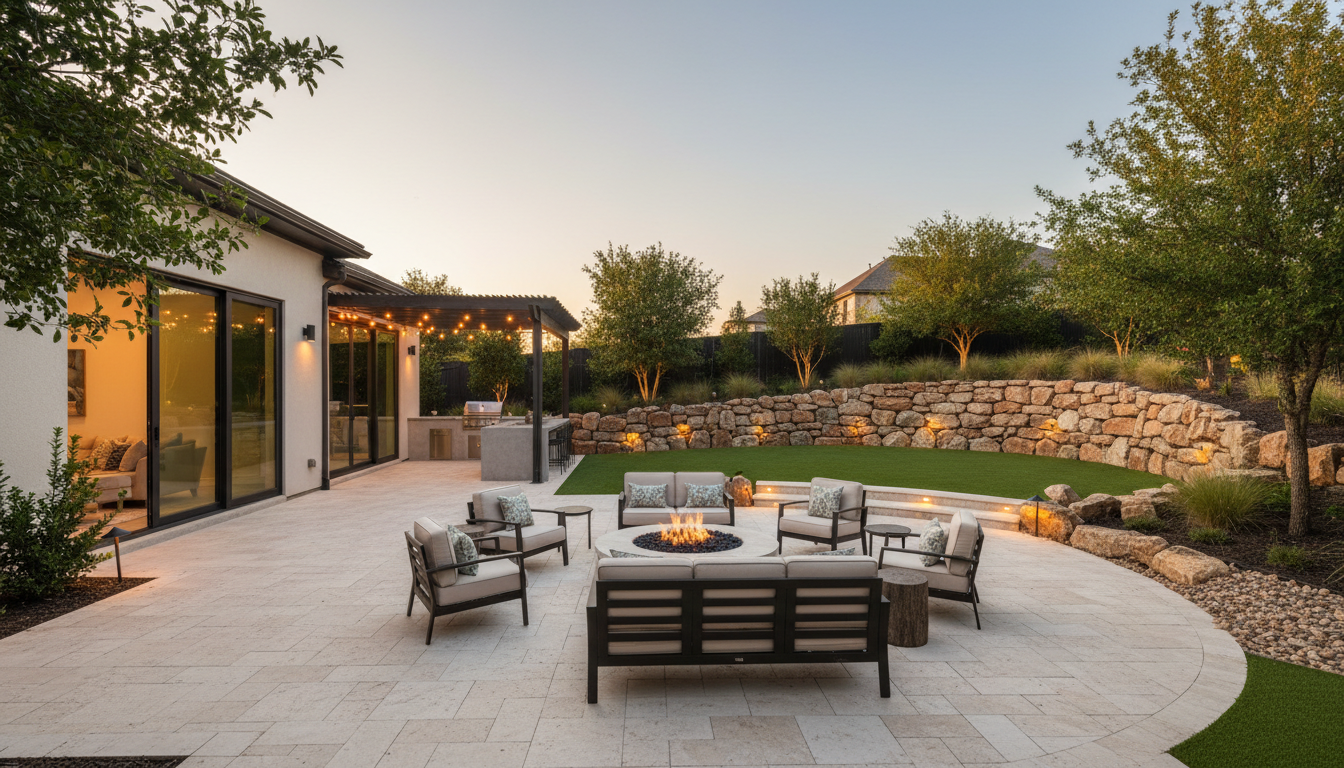
Hardscaping uses stone, pavers, concrete, and rock to create permanent outdoor structures:
- Paver patios and walkways
- Retaining walls
- Rock gardens and dry creek beds
- Fire pit areas
Pros: Extremely durable, zero plant maintenance, adds home value Cons: Higher upfront cost, can retain heat
Xeriscaping: Working With Nature
Xeriscaping uses drought-tolerant native plants combined with efficient irrigation:
- Native grasses and wildflowers
- Agave, yucca, and cacti
- Mulch and gravel groundcover
Pros: Natural beauty, supports local ecosystem, lower cost Cons: Still requires some maintenance, seasonal variation
The Premiere Approach
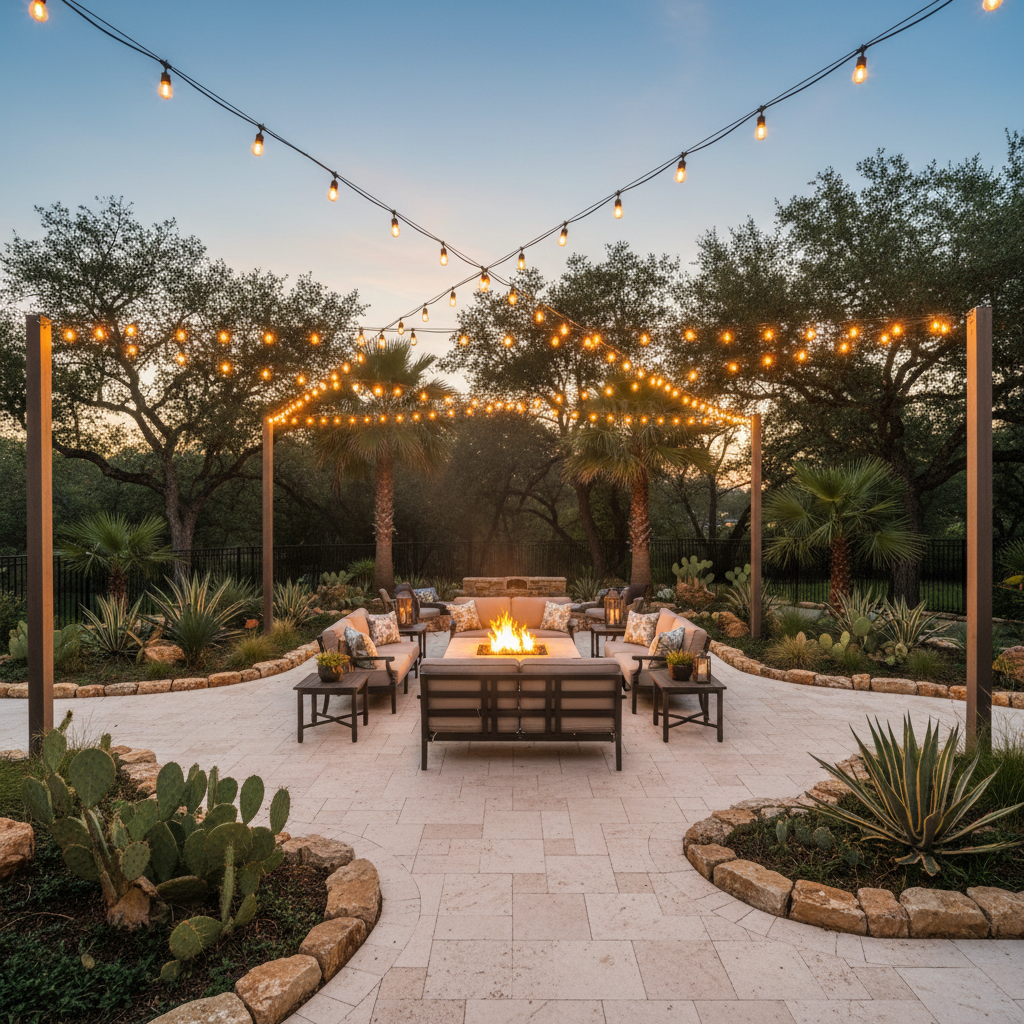
We often combine both strategies — using hardscaping for living spaces and xeriscaping principles for surrounding beds. This gives you the best of both worlds.
Want a custom plan? Get your free estimate today.
Written By
Premiere Team
North Texas landscaping specialists helping homeowners build outdoor spaces that last.
Ready to build a lawn you're proud of?
Our team knows North Texas turf inside and out. Let's talk about your yard.
Get a Free Estimate